Ericsson celebrates three decades of Ghana connectivity
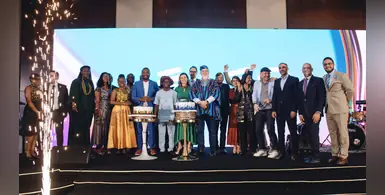
Ericsson celebrates 150 years of global innovation and 30 years of partnership and digital transformation in Ghana. (Image source: Ericsson)
Telecom giant Ericsson is marking a dual milestone this year, its 150th anniversary as a global company and three decades of active presence in Ghana
The occasion honors a deep-rooted collaboration with the Ghanaian government, the local telecom sector, and the broader community, while spotlighting the company's ongoing role in shaping the country's digital future.
Across a century and a half, Ericsson has continually reshaped itself alongside the communications sector, moving from early telecom breakthroughs to building the digital backbone that keeps modern businesses, people, and communities linked today.
Three Decades of Telecom Milestones in Ghana
Ericsson's Ghana story dates back to 1996, when the company first established operations in the country. It quickly became a cornerstone partner in Ghana's telecom growth, playing a key role in rolling out the nation's very first commercial GSM network, a landmark achievement that kicked off Ghana's broader digital transformation.
In the years since, Ericsson has helped drive several major upgrades to the country's network infrastructure, including the rollout of 3G and 4G technology, connectivity solutions for rural areas, and the underlying systems that power mobile money and financial services nationwide, tools that have opened up new economic opportunities for individuals and businesses alike.
Ghana's telecom journey is one piece of Ericsson's much larger 150-year global narrative centered on expanding access to connectivity and fueling societal progress. The infrastructure Ericsson has built continues to serve as a critical resource for everyday consumers, private enterprises, and government institutions across the country.
Looking Ahead: 5G, Cloud, and the Future of Connectivity in Ghana
With its anniversary celebrations underway, Ericsson is turning attention to what comes next for digital transformation in Ghana. Key focus areas going forward include 5G and Differentiated Connectivity, network Cloudification and Automation, Enterprise and Mission-Critical Networks, and continued innovation in Mobile Financial Services.
"Our 30-year journey in Ghana is a testament to the shared belief in the potential of connectivity and the powerful partnerships we have forged over the years," Majda Lahlou Kassi, vice-president and head of ericsson West and Southern Africa, reflected on the milestone,
From the first mobile call to the promise of 5G, we have been privileged to work alongside our partners to build a strong digital foundation for the country. This anniversary is not just about celebrating the past; it's about renewing our commitment to Ghana's future. We are excited to continue this journey, co-creating solutions that will accelerate digitalisation, foster innovation, and unlock new opportunities for everyone."
Rostand Njomgang, head of Cluster Central at Ericsson West and Southern Africa, added, "For 150 years, Ericsson has been driven by the idea that communication can change the world. In Ghana, we have seen this become a reality. Our technology has helped bridge distances, empower entrepreneurs, and connect communities. As we look ahead, we are dedicated to advancing skills development and investing in the ecosystem that will support Ghana's ambition to become a digital leader. The next chapter of connectivity, defined by 5G, AI, and cloud innovation, holds immense promise, and we are proud to be a partner in making it happen."
A Global Legacy Rooted in Local Progress
Ericsson's anniversary celebrations tie together its global heritage with a distinctly local success story of growth and innovation in Ghana. Looking forward, the company remains committed to advancing Ghana's telecommunications landscape, supporting the country's digital ambitions, and continuing to push the boundaries of what connectivity can achieve.